On the morning of 26 July 2026, the inaugural academic symposium of Chinese Treatises on Calligraphy was successfully held in Hong Kong, China. The symposium brought together a distinguished group of experts and industry representatives, including Chen Guangxi (Editorial Board Member of Chinese Treatises on Calligraphy), Zhang Xiaolin (Member of the Academic Committee of Henan Calligraphers Association), Professor Liu Jincai (Professor and Doctoral Supervisor at Henan University), Zhuang Xiangyang (Senior Editor at Shenzhen University of Information Technology), Guo Yilin (Chairman of Henan Jingguzhai), Xu Ye (Deputy Editor-in-Chief of Chinese Treatises on Calligraphy), Xu Bicheng (Executive Editor-in-Chief), Huangfu Wenting (Art Editor), Wang Meijing (Head of Hong Kong Sourcefount Press Limited), Mao Yuanyuan (Vice President of Hong Kong Sourcefount Press Limited), Jia Qiongyan (Deputy Editor-in-Chief of Hong Kong Sourcefount Press Limited), and Li Chunyu (Member of the China Calligraphers Association), among other professionals and scholars.
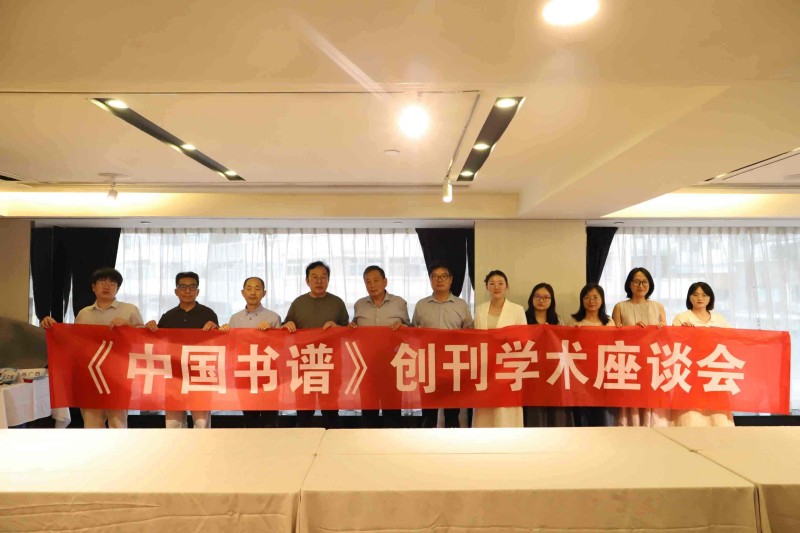
The symposium was moderated by Feng Jie, Vice President of Henan Writers Calligraphy and Painting Academy. During the session, Yi Xu, Editor-in-Chief of Chinese Treatises on Calligraphy, presented the journal’s founding vision and long-term development strategy. He stressed that the journal is firmly grounded in the disciplinary core of calligraphy studies and aspires to become a premier scholarly publication that integrates academic rigour, documentary value, and forward-looking perspectives, and to fill the current gap in specialised academic periodicals dedicated to calligraphy. Meanwhile, he elaborated in detail on the journal’s positioning, section design, and solicitation strategies, and set forth its long-term development goals: to establish Chinese Treatises on Calligraphy as a premier domestic and internationally renowned core academic journal in calligraphy studies; to build a specialized database of calligraphic literature; to promote the translation and introduction of overseas calligraphic scholarship; and to facilitate the global dissemination of Chinese calligraphic academic culture, ultimately bringing it to the international stage. Following his address, Yi Xu invited the core guests to jointly unveil the inaugural issue of Chinese Treatises on Calligraphy.
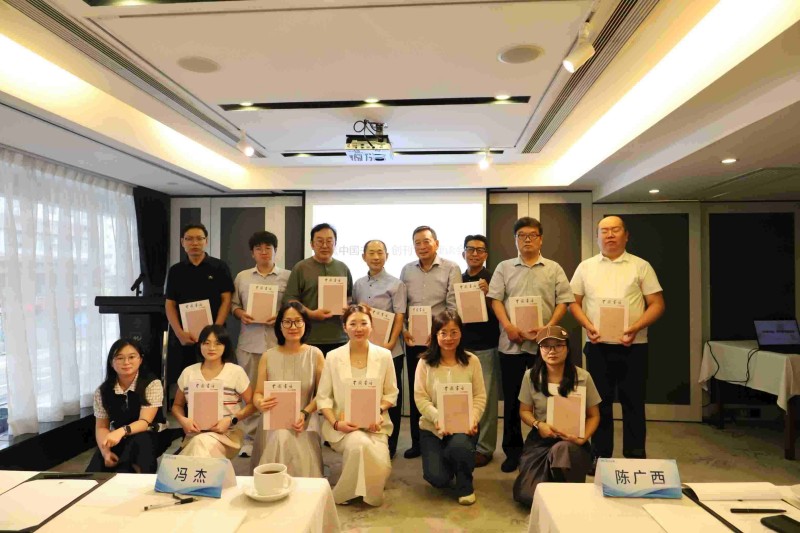
In the subsequent panel session, eight experts and scholars—Chen Guangxi, Feng Jie, Zhang Xiaolin, Liu Jincai, Zhuang Xiangyang, Guo Yilin, Li Chunyu, and Xu Ye—delivered speeches in turn. Their discussions centred on the construction of a calligraphic academic system, calligraphy industry operations, the collection and auction of painting and calligraphy works, the academic value of the new journal, and its potential for international dissemination. Drawing on their respective research and professional practice, they offered constructive suggestions for the journal’s sustainable development. In addition, Mo Bai, a member of the editorial board of Chinese Treatises on Calligraphy, sent a written congratulatory letter, extending warm wishes for the successful launch of the journal.
Hong Kong, with its unique historical heritage and geographic advantages, has established itself as a pivotal hub for Sino-Western calligraphic exchange, offering an unparalleled platform for exploring the integration of contemporary calligraphic art. Chinese Treatises on Calligraphy, a professional journal rooted in Hong Kong, cannot attain such a distinctive editorial style and profound professional depth overnight; this requires sustained effort and long-term dedication. The journal must remain firmly grounded in its professional mission, rigorously cultivate content quality, and distinguish itself through professional rigour and uncompromising quality. Looking ahead, Chinese Treatises on Calligraphy will make full use of Hong Kong’s status as an international gateway to disseminate the legacy of Chinese calligraphic culture to a global audience. It will pursue three core values—sustaining local calligraphic traditions, facilitating cross-regional academic collaboration, and promoting international cultural outreach—with the aim of building an important cultural platform that bridges ancient and modern calligraphic scholarship and connects calligraphy communities at home and abroad, with the ultimate goal of advancing the global appreciation and recognition of Chinese calligraphic culture.